AI risk assessment: how to assess an AI system step by step
An AI risk assessment shows what could go wrong with an AI system, how likely it is and what you’ll do about it. Here’s a seven-step method, and why tests beat guesses.

An AI risk assessment shows what could go wrong with an AI system, how likely it is and what you’ll do about it. Here’s a seven-step method, and why tests beat guesses.
An AI governance framework sets who owns each AI system, which rules it follows and how you prove it behaves. Here’s what goes into one, which standards to build on and how to start small.
EU AI Act fines go up to 35 million euros or 7% of worldwide turnover. Here’s which breach leads to which fine, who can be fined, and what lowers the bill.

Before customers talk to your AI chatbot, test it on real questions, edge cases and misuse. Here’s what to check, how to build a test set and when it’s ready to go live.
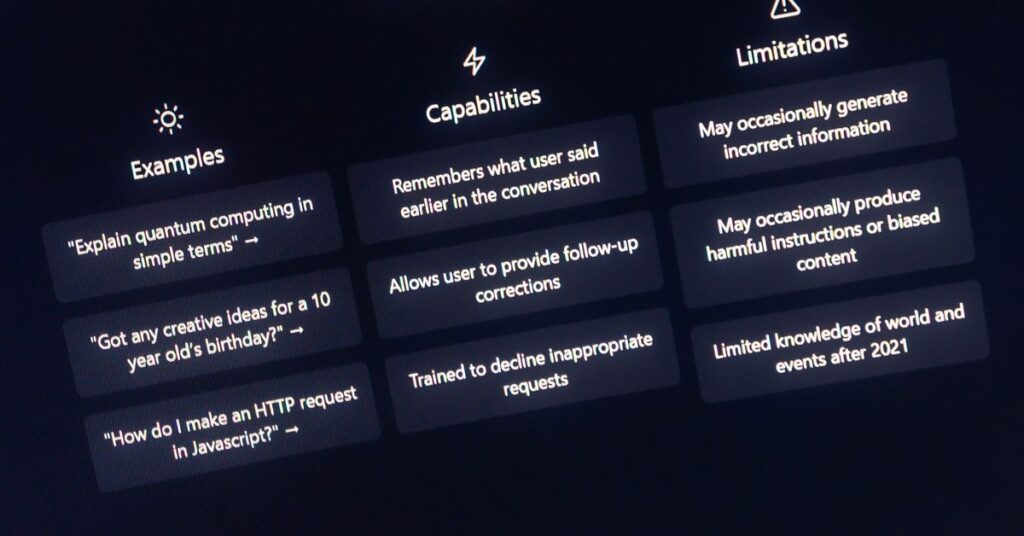
An AI hallucination sounds confident and is simply wrong. Here’s why language models make things up, how to measure how often yours does, and what actually reduces it.

Your AI can be online, fast and still wrong. Here’s what AI monitoring should track after launch, why you need both live signals and scheduled tests, and how to start small.

Bought an AI tool? Under the EU AI Act you’re probably a deployer, and that role has its own duties. Here’s how to tell provider from deployer and what each must do.

An AI audit checks how you govern your AI, how it actually behaves and what evidence you kept. Here’s what auditors look at and how to prepare without a big project.
The EU AI Act sorts AI systems into four risk categories, and your duties depend on which one yours is in. Here is how to find your category and what to do next.
ISO 42001 is the international standard for managing AI responsibly. Here is what it asks, who needs it, how it relates to the EU AI Act, and where testing gives you the evidence.